

5 Reasons Why Your Home Feels Darker in February (And What Quad Cities Homeowners Can Do About It)
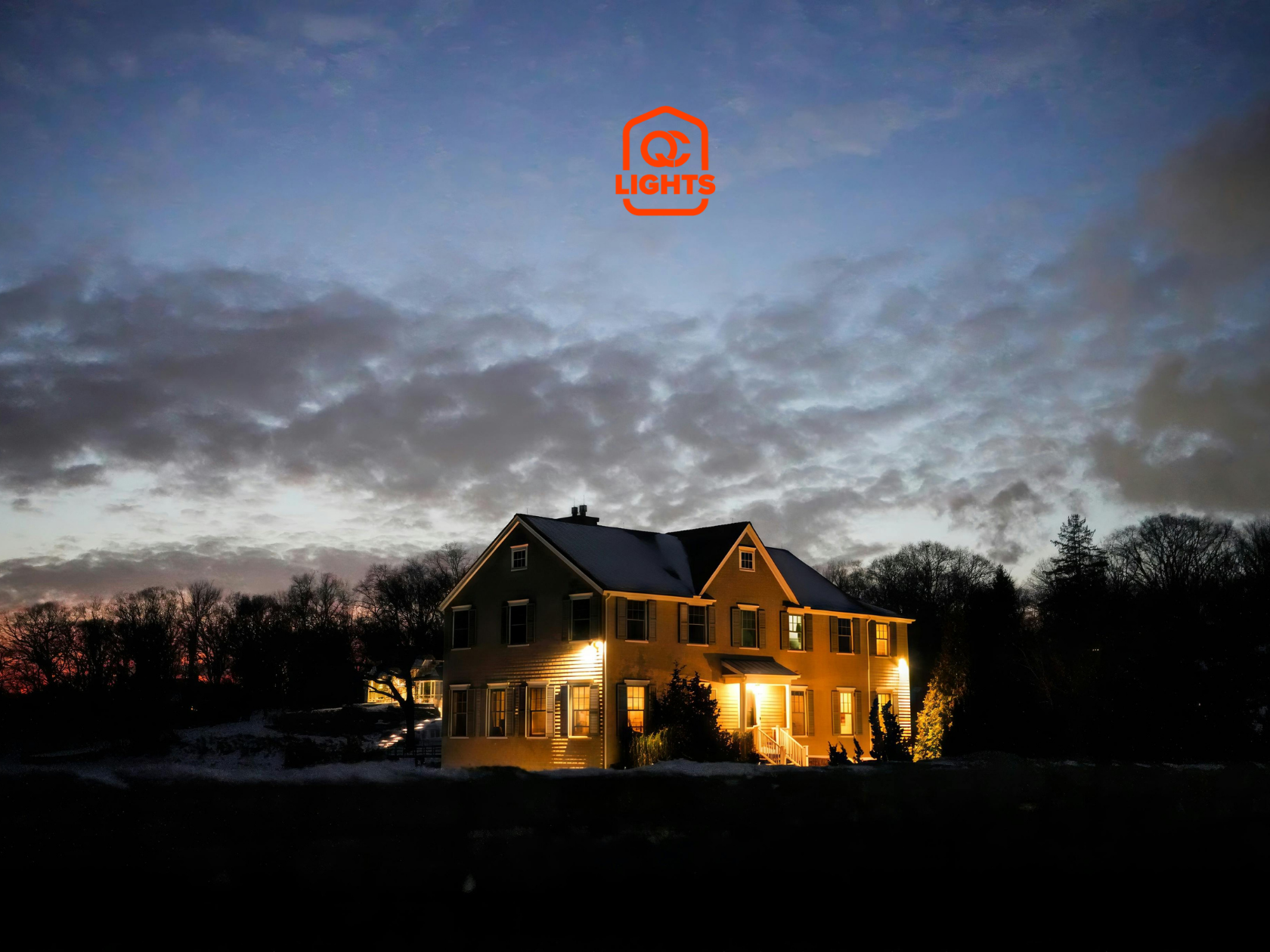
If your home feels noticeably darker in February, you’re not imagining it.
Across the Quad Cities, this is often the month when winter feels the heaviest. The holidays are over. Spring still feels far away. And for homeowners throughout Iowa and Illinois, daily life continues mostly after sunset.
Here are five real reasons your home feels darker right now—and what you can do about it.
1. Cloud Cover Is More Persistent Than You Think
Even though the shortest day of the year is in December, February often feels gloomier.
Why?
Frequent Midwest cloud cover
Low winter sun angles
Limited direct sunlight
Dull, gray skies
According to the National Weather Service, winter weather patterns significantly reduce light intensity across the Midwest.
Even on days that aren’t snowy, natural light is weaker and flatter, which makes homes feel dimmer overall.
What You Can Do
Walk around your property at dusk. Notice where natural light fades fastest. Those areas are usually where visibility needs reinforcement.
2. Most of Your Routine Happens After Dark
In the Quad Cities, February routines look like this:
Leaving for work before full daylight
Arriving home after sunset
Evening practices and activities
Taking trash out or walking pets in the dark
When daily movement relies on limited porch lights or outdated fixtures, the home can feel less welcoming—and less functional.
What You Can Do
Evaluate your driveway, walkways, and entry points at night. If certain areas feel shadowed or hard to navigate, it may not be your imagination. It may be inadequate exterior lighting.
3. Snow and Ice Change How Light Reflects
Snow reflects light, but it can also create glare and uneven contrast. Ice absorbs light differently. What felt bright in October can feel patchy or dim in February.
This is especially true in Midwest neighborhoods with deeper setbacks or mature landscaping.
What You Can Do
Look for uneven lighting zones. Strong, consistent exterior lighting helps counteract the inconsistent way snow and ice scatter light during Iowa and Illinois winters.
4. Winter Fatigue Affects Perception
There’s also a mental component. The National Institute of Mental Health explains that reduced sunlight during winter months can affect mood and energy levels.
When daylight is limited, homes that lack consistent exterior visibility can feel even heavier.
This doesn’t mean something is “wrong” with your home. It means February light is different.
What You Can Do
Improve areas that welcome you home at night. A well-lit exterior creates visual warmth and stability during long winter evenings.
5. Seasonal Lighting Isn’t Designed for Year-Round Function
Many homeowners rely on minimal porch lights or temporary holiday lighting setups. Once seasonal décor comes down, homes can feel noticeably darker.
In the Quad Cities, where winter lasts well beyond the holidays, temporary solutions often leave a gap in visibility.
What You Can Do
Consider long-term lighting systems that provide consistent, programmable illumination every night—not just during holidays or special occasions.
A Smarter Lighting Approach for Quad Cities Homes
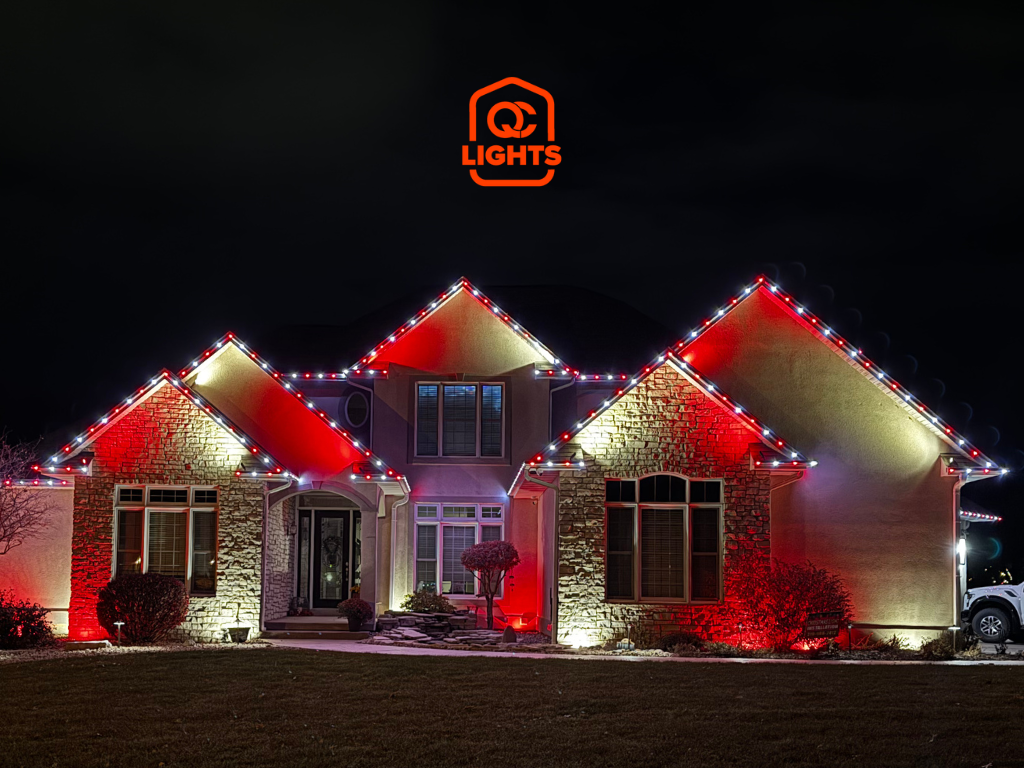
At QC Lights, we work with homeowners throughout Iowa and Illinois who want their homes to function just as well in February as they do in June.
Permanent Gemstone Lights provide reliable exterior lighting year-round without seasonal installation or takedown.
For Quad Cities homeowners, that means:
Improved driveway and walkway visibility
Safer movement during icy months
A welcoming exterior on gray winter evenings
Reduced seasonal maintenance
February often reveals where lighting falls short. It’s also one of the best times to plan improvements before spring demand increases.
Don’t Wait for Spring to Feel Brighter
If your home feels darker in February, it’s not just your perception. Midwest winter conditions change how light works—and how homes function.
The good news is you don’t have to accept it as the norm.
Thoughtful, permanent exterior lighting can make daily life easier, safer, and more welcoming throughout Iowa and Illinois winters.
And February is a smart time to start planning.